




Refractive Errors — Opening the Door to a Bright World
Refractive errors can be clinically classified into myopia, hyperopia, and astigmatism. When light passes through the refractive system of the eye, it is refracted. If the focal point of this refraction falls on the retina, the eye is considered emmetropic; otherwise, it is classified as a refractive error. Refractive errors are a common problem for many people. Let's hear what doctors have to say about them!
Normal visual acuity means our eyes can see 0.8 or above. Visual acuity usually refers to the ability of the human retina to resolve the minimum distance between two points. If the measurement is below normal, refractive errors should be considered. Optical correction or ICL surgery can be chosen.
What Causes Worsening Vision?
1. Not wearing glasses when myopic. This keeps the eyes in a state of prolonged fatigue. Without glasses, one needs to bring objects very close to see them, which keeps the eyes in a near-focus state for extended periods, thereby increasing the degree of myopia. Additionally, not wearing sunglasses outdoors in strong sunlight exposes the eyes to intense UV rays and glare, causing further fatigue and damage.

2. Prolonged eye use and using phones in the dark. Extended screen time can lead to poor blood circulation and stagnation. Excessive eye use also depletes vital energy and affects vision. Using a phone in a dark room exposes the eyes to an extremely bright screen; direct exposure to such intense light for even half an hour can cause damage, and over time, various eye problems may develop.
3. Frequent late nights. According to traditional Chinese medicine, when a person lies down, blood returns to the liver. Staying up late prevents blood from entering the liver properly, impairing metabolism and harming the liver. Sufficient liver blood nourishes the eyes, keeping them bright and vision clear; insufficient liver blood leaves the eyes undernourished.
4. Misuse of eye drops. Generally, eye drops in large packages exceeding 0.4 ml contain preservatives. Improper use of eye drops may damage the cornea and affect vision.
The eyes are the windows of the soul and the source of information about the world. Correct eye-care habits are the key to opening the door to a "bright world."
How to Manage and Treat Refractive Errors
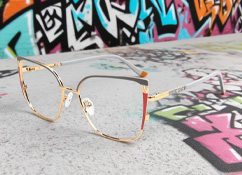
1. Wearing glasses. Wearing glasses is the simplest and safest method to correct refractive errors. An ophthalmologist will use optometric instruments to measure and prescribe lenses of the appropriate power, improving the patient's visual clarity.
2. Contact lenses (corneal contact lenses). These are lenses placed on the surface of the eyeball. They must be worn under the guidance of a professional ophthalmologist, wearing time should not be too long, and lens hygiene must be maintained.
3. Surgical treatment. For example, myopia surgery (divided into corneal surgery and ICL surgery). Corneal surgery, which many people are familiar with, uses a laser to thin a layer of the cornea — it is a subtractive procedure. ICL surgery involves implanting an artificial intraocular lens without destroying or removing corneal tissue — it is an additive procedure. Hubei Aerospace Hospital's Ophthalmology Department now possesses advanced technology and equipment to perform ICL surgery. This procedure is suitable for people with myopia of 50–1800 degrees, astigmatism of 50–600 degrees, aged 18–50, who do not wish to wear glasses. The surgery takes less than 5 minutes.